Paris concentrates a density of fashion houses, independent workshops, and concept stores in just a few districts that few capitals can claim. Parisian fashion is not limited to online shows: it is structured around recent regulations, changing distribution channels, and an evolving public access that has been shifting for several seasons.
Understanding these mechanisms allows for a deeper approach beyond merely spotting trends and adopting a more lucid stance towards the capital’s overwhelming offerings.
AGEC Law and Parisian Fashion: What the Ban on Unsold Goods Really Changes
The ban on the destruction of unsold non-food items, stemming from the AGEC law with a gradual implementation since 2023 for textiles, reshapes how Parisian brands manage their end-of-collection stock. Where excess inventory could once be destroyed, brands are now compelled to find outlets.
Several direct consequences are observed in the capital. Sales of excess stock at peripheral locations are multiplying, and collaborations with second-hand platforms are becoming a reflex for brands that, just a few years ago, categorically rejected this channel. Second-hand is no longer a militant choice but a logistical necessity for part of the industry.
For buyers, this means broader access to designer pieces at reduced prices, through outlets or online platforms. By exploring the fashion universe of Mode in Paris, one can see how this redistribution of unsold goods is changing the Parisian commercial landscape. Field reports vary on this point: some brands see it as an opportunity to reach a new clientele, while others fear a dilution of their image.

Public Fashion Week in Paris: Access is Opening Up
Paris Fashion Week remains the most publicized event on the fashion calendar. However, its internal workings are evolving. For several seasons now, parallel events like Paris City Fashion Week or AFW Paris have offered shows open to non-professionals, with paid online registrations.
This change is not trivial. Access to the shows was historically reserved for buyers, journalists, and celebrities. Off-calendar shows now allow the general public to see collections live, which alters the very perception of the event.
What These Open Shows Reveal
These parallel formats primarily highlight emerging international designers who do not have access to the official calendar of the Federation of Haute Couture and Fashion. The audience attending discovers stylistic proposals absent from major fashion media.
The available data does not allow for a conclusion on whether this openness will become permanent or remain a niche phenomenon. However, it does reflect a real demand: to see Parisian fashion differently than through a screen.
Clothing Rental and Shared Wardrobe: The Parisian Model
In the Marais and the 9th arrondissement, premium clothing rental services are developing with monthly subscriptions. The target profile: young professionals and content creators who want a refreshed wardrobe without accumulating purchases.
This model raises a fundamental question about the notion of Parisian style. Renting rather than buying changes the relationship with clothing and, by extension, the way one builds a wardrobe. Pieces circulate, purchase mistakes disappear, but the emotional connection to clothing also fades.
- Outfits for professional or social events, available for reservation a few days before the date
- Office wardrobes renewed monthly via subscription, with delivery and return included
- Packages designed for content creators who need varied looks without investing in each piece
This system remains focused on high-end and upper mid-range. For accessible brands, the economic model of rental remains fragile. Profitability depends on the number of rotations per piece, and cheap clothing wears out too quickly to support multiple cycles.
Neighborhood Fashion Tours in Paris: Beyond Tourist Circuits
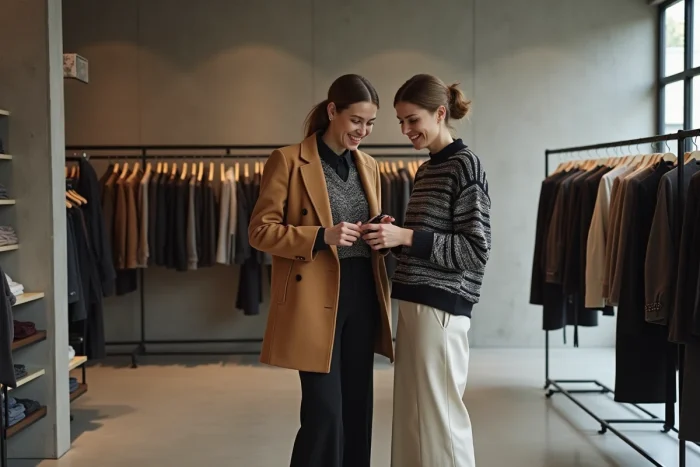
Fashion tours in Paris have existed for a long time, but they primarily target tourists with conventional stops: Avenue Montaigne, Rue du Faubourg-Saint-Honoré, Galeries Lafayette. What has recently emerged are tours designed for locals, focused on less exposed neighborhoods.
Workshops and Shops Off the Beaten Path
These itineraries prioritize artisanal manufacturing workshops, appointment-only showrooms, and boutiques of designers located on side streets. The goal is not to visit a fashion museum, but to understand how a garment is conceived, cut, and assembled just a few meters from home.
The artisanal fabric scene in Paris remains dense but little visible to those who limit themselves to the main commercial arteries. These tours make accessible a know-how that the windows of major houses do not showcase.
- Alteration and custom creation workshops in the 11th and 18th arrondissements
- Showrooms of young designers open only by appointment or during open house days
- Specialized haberdasheries and suppliers of technical fabrics used by fashion houses
These circuits remain confidential, and their sustainability depends on the ability of artisans to maintain their activity in the face of Parisian real estate pressure. Several historic workshops have closed in recent years, replaced by businesses unrelated to fashion.
Fashion in Paris is better understood when one looks beyond the shop windows. Between the regulatory constraints of the AGEC law, the gradual opening of shows, and new consumption models like rental, the landscape is transforming at a pace that trend magazines do not always capture. The Parisian style, that of the workshops and neighborhoods, continues to be crafted far from the spotlight.