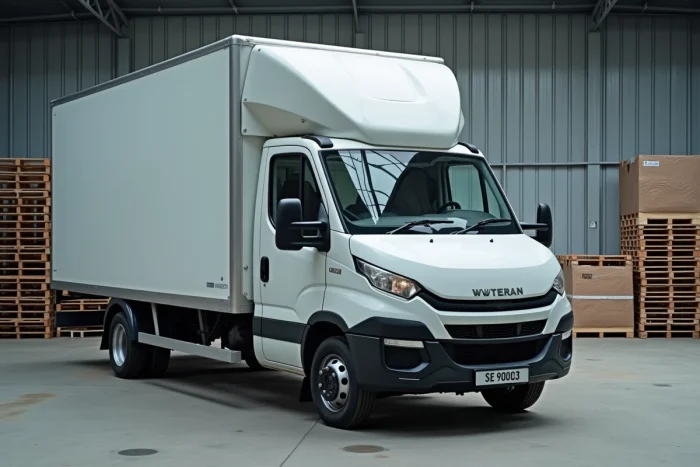
A 3.5-ton truck refers to a utility vehicle whose maximum authorized weight (PTAC) reaches exactly this limit. This 3.5-ton threshold is significant: it separates the world of the B license from that of the C license, and determines regulatory obligations, access to urban areas, and operating costs.
3.5-ton PTAC: what this limit changes in practice
The PTAC includes the weight of the empty vehicle, fuel, the driver, and the transported load. On a 3.5-ton truck, the actual payload often ranges from one-third to half of the PTAC, depending on the onboard equipment. A refrigerated van, for example, carries a refrigeration unit that reduces the payload compared to a dry van of the same size.
Staying at 3.5 tons or less allows driving with a B license. Exceeding this limit, even by a few kilos during a check, exposes one to penalties for overload and can invalidate insurance. That’s why understanding the characteristics of 3.5-ton trucks remains a prerequisite before any investment.
The PTAC also determines the number of axles needed and the type of suspension. A vehicle with a reinforced rear axle and pneumatic suspension handles the maximum load better than a standard leaf spring suspension, but costs more to purchase and maintain.
Useful volume and bodywork: adapting the 3.5-ton truck to its activity
Choosing a 3.5-ton truck solely based on the type of bodywork is like choosing a shoe by its color. The starting criterion should be the necessary useful volume relative to the weight of the goods transported.
A craftsman moving dense materials (blocks, sand) does not need a large volume but a maximum payload. Conversely, a delivery driver of bulky but light packages will seek the largest possible box volume, even if it means sacrificing some payload on the equipment.
Common bodywork types in 3.5 tons
- The panel van offers a closed and secure space, suitable for urban delivery of dry goods. Its interior height varies by version, which affects the possibility of loading pallets upright.
- The tipper, available in a simple version or with a hydraulic door, is suitable for construction trades. The rear or three-way tipping facilitates unloading on site.
- The flatbed, with or without sideboards, allows for transporting long loads or bulky equipment that neither a van nor a tipper could accommodate.
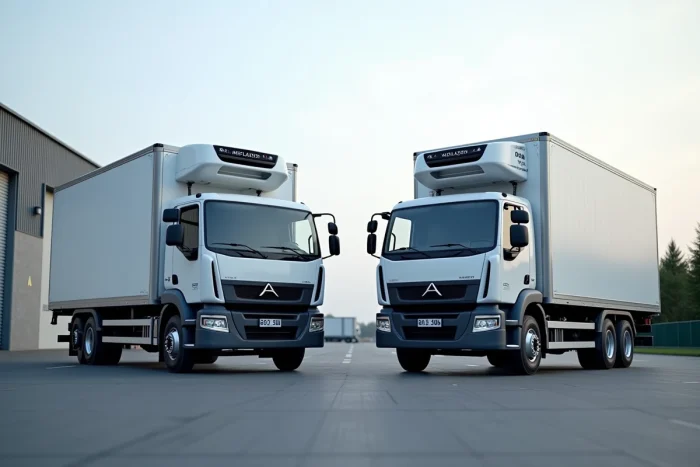
- The refrigerated box maintains a controlled temperature for food transport. Fully electric versions now exist in this segment, such as the Iveco eDaily Refrigerated Van offered by Petit Forestier.
The overall height of the vehicle, including the cab, deserves special attention. In urban areas, underground parking and certain under-bridge passages impose limited dimensions. A van with a raised roof gains volume but complicates routes.
Engine and low emission zones: a choice that commits for several years
The engine of a 3.5-ton truck is no longer limited to diesel. The segment has clearly electrified, and this parameter now weighs as much as engine torque in the purchasing decision.
A Euro 6 compliant diesel engine remains the majority choice for long distances and heavy loads. The torque available at low revs facilitates starts on inclines with a load close to the PTAC. Fuel consumption in liters per hundred kilometers strongly depends on the road profile and the weight transported.
Electric in 3.5 tons: for what uses
Electric versions target urban delivery with short and predictable routes. Their main advantage is unrestricted access to low emission zones (ZFE), which are multiplying in French urban areas. A diesel vehicle classified as Crit’Air 2 or higher risks traffic bans in the medium term within these areas.
The actual range of a 3.5-ton electric truck under load remains lower than that of a diesel. For regional delivery activities with limited daily trips and a return to the depot each evening, this constraint is manageable. For intercity transport, diesel or hybrid engines retain the advantage.
Often overlooked operating criteria for a 3.5-ton truck
Beyond the PTAC, volume, and engine, three technical parameters influence the actual operating cost.
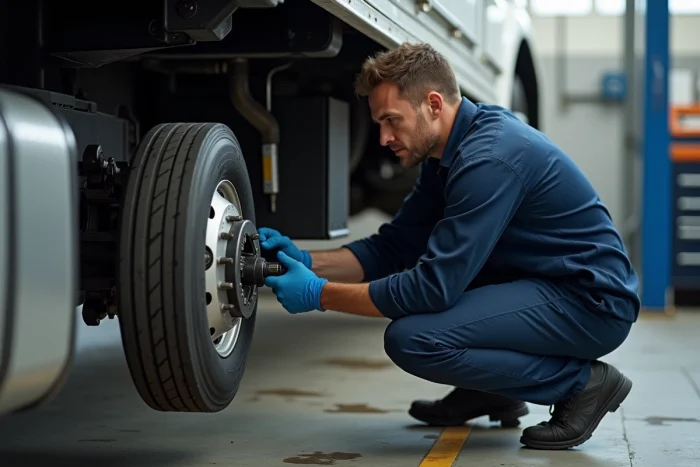
The type of tire affects consumption, road handling under load, and longevity. Undersized tires for the actual load wear out prematurely and increase the risk of blowouts. Checking the load index of the tires before each commissioning is not a formality.
The cab affects the driver’s comfort on long routes. A short cab is sufficient for urban delivery, but a driver who covers several hundred kilometers a day needs an ergonomic driving position, with proper seat suspension and adequate soundproofing.
The engine torque, expressed in newton-meters, determines the vehicle’s ability to tow or start on a slope with a load close to the maximum. High torque at low revs reduces the strain on the clutch and gearbox, which extends the lifespan of the transmission.
The choice of a 3.5-ton truck depends on the alignment between the actual daily load, urban access constraints, and the overall budget, including maintenance and fuel. A vehicle perfectly suited to its use costs less than an oversized or poorly equipped model, even if its catalog price seems higher at purchase.