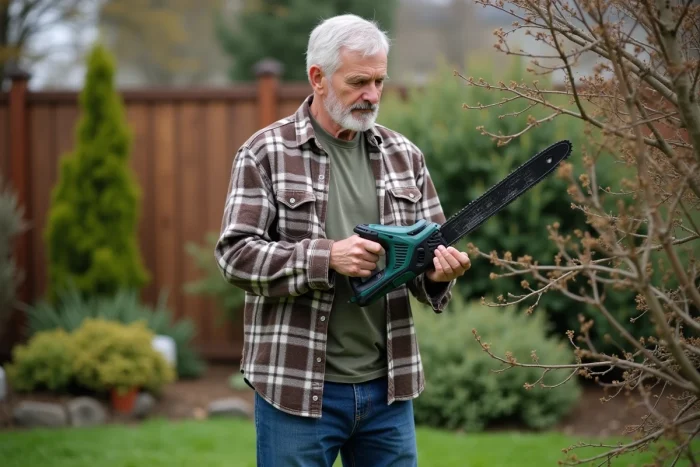
A poorly chosen pruner is not just a minor inconvenience: it promises a chore turned into a hassle, a back that cries out for relief, and a garden that pays the price. Between models that are too heavy, which exhaust you, and those that are too weak, which wear out quickly, the difference goes well beyond the price tag.
Some manufacturers lock their batteries, forcing you to remain captive to a single brand and making the renewal or expansion of equipment much more complicated than it seems. Buying guides often overlook points that make all the difference in the field: weight, noise, ease of sharpening. Yet, it is these details that determine the comfort, duration, and success of each pruning session.
Why choosing the right pruner makes all the difference for garden maintenance
Far from being just a blade and a handle, a well-chosen pruner makes the difference between a precise cut that respects the tree and a botched job that leaves marks and wounds. An ill-suited tool tires, injures, and weakens the plant. Conversely, a model designed for use limits effort, speeds up cuts, and reduces mistakes.
In the garden, not all branches are alike. Between thin, old, and twisted branches, there needs to be a response for each configuration. Focusing solely on power is not enough: maneuverability, guide length, chain quality, and maintenance speed are equally important. If pruning is frequent, handling and weight become crucial: too heavy, fatigue sets in; poorly designed handle, watch out for injury.
The choice of pruner affects both the health of the trees and that of your back. Experts know this: a clean cut prevents tearing, limits disease, and ensures rapid healing. For a true comparison, the page elagueuse-warrior.com remains a reliable source: you will find an overview of technical differences, usage tips, and key points to watch for in maintaining your garden without a hitch.
Here’s how needs differ based on the configurations encountered:
- For trimming high or low branches, you need to adjust the handle length and power according to the thickness of the twigs.
- For domestic use, prioritize lightness and ease of maintenance.
- For thick branches or old trees, focus on robustness and cutting capacity.
What criteria to prioritize to find the pruner suited to your needs
To choose the best pruner, you need to look beyond the number displayed on the technical sheet. Start by assessing the motor power: this is what makes the difference on hard or thick branches. Battery models, especially the battery-powered pruning saw, appeal due to their mobility, but don’t forget the issue of autonomy. If you opt for a lithium-ion battery, you limit unexpected recharges and gain longevity.
The choice of model depends on your usage. For repeated cuts at height, the pole pruner is essential: it allows you to reach distant branches effortlessly while maintaining cutting quality. The grip should not be overlooked: an ergonomic handle reduces fatigue and improves precision.
Don’t stop at the displayed price. Look at the lifespan, the ease of replacing a part, and the simplicity of maintenance. A reliable and well-balanced tool serves you for several seasons.
For each need, adapt your choice of device:
- For regular maintenance work, prefer a lightweight battery pruner with enough autonomy to avoid being caught off guard.
- For occasional use or thick branches, the power and durability of the chain are your best allies.
Every detail matters: guide length, ease of adjusting chain tension, safety devices. The ideal tool fits the realities of the field, adapts to your capabilities, and keeps pace with your garden.
Practical tips and precautions for effective and safe use
Before engaging the pruner in the foliage, check the overall condition of the tool. A functional chain brake prevents many accidents; it should activate at the slightest anomaly. Always wear protective gloves and goggles. Wood splinters, invisible but dangerous, can turn a simple cut into a mishap.
Always position yourself stably. The ergonomic handle facilitates a firm grip and limits the risk of slipping, especially during high cuts. For difficult-to-reach branches, prefer the pole pruner to avoid multiple climbs on a ladder. Safety also comes from the precision of your actions: a clean cut, without jerks, spares the tree and prolongs the lifespan of the tool.
Some simple reflexes make a difference during each use:
- Inspect the chain tension before each session: a poorly adjusted chain compromises precision and can derail.
- Clean the tool after use to avoid resin buildup, the main enemy of longevity.
- For regular maintenance work, monitor the wear of the blade: a dull tooth tires the tool and exposes the user.
Mastering the pruner is primarily about relying on safe, precise actions with well-maintained equipment. Protect your safety, care for the tree, and each cut will maintain the balance between efficiency and respect for life. The garden will remember it.