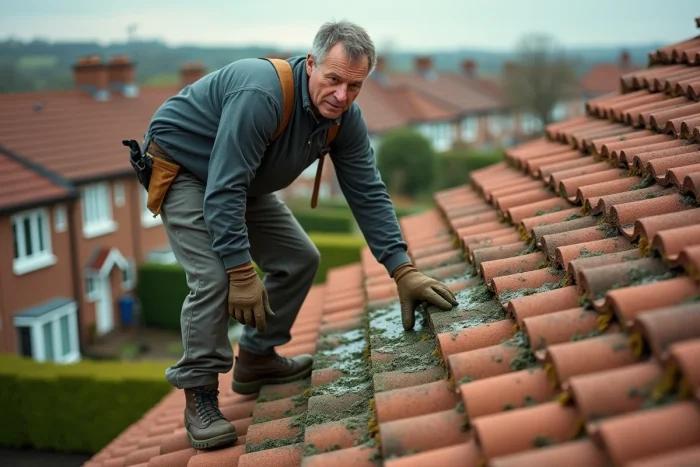
On the rooftops, life invites itself without asking for permission. New or old tiles, none truly escape the silent conquest of algae, moss, and lichens. Red algae cling to sun-drenched slopes, while moss and lichen prefer the damp shade, even on surfaces that seem intact. Spot treatments sometimes struggle to contain the wave: stains and deposits return faster than one might imagine.
When these organisms settle in, the consequences go far beyond mere appearance. We are talking about infiltrations, accelerated deterioration of materials, and less effective insulation. Acting means first understanding who is invading the roof, and how these unwanted guests proliferate.
Recognizing moss, algae, lichens, and fungi: how to identify them on your roof?
On a roof, the diversity of microorganisms is surprising in its tenacity. Moss, algae, lichens, or fungi, each invader leaves characteristic clues that must be recognized to act effectively:
Moss is distinguished by its thick green cushions, very visible on shaded and damp edges. As it settles in, it lifts the tiles, retains water, and accelerates the aging of the material. Its rapid development transforms a clean roof into a spongy terrain in no time.
Algae, on the other hand, are more insidious. On concrete tiles or slates, they spread in slippery streaks, often green, sometimes red when moisture persists. This phenomenon is explained by multiple factors, as detailed in this causes of algae on the roof.
Lichen forms thick, colorful crusts, ranging from gray to orange-yellow. Often found on older roofs, it penetrates deeply into the material and is very complicated to remove without disturbing the integrity of the substrate.
As for fungi, they create black spots, sometimes accompanied by that hard-to-ignore odor. Most often, they reveal a problem of stagnant water or lack of ventilation. Their presence accelerates the general degradation of the roof and should be considered a warning signal.
Why do these organisms settle in and what risks do they pose to your roof?
Humidity remains the favorite playground of all these unwanted guests. It settles in due to a north-facing exposure, ineffective ventilation, or materials that have become porous over time. Tiles and slates soak up water, creating perfect refuges for the development of microorganisms.
Moreover, air pollution and dust deposited on the surface provide a nutrient-rich environment conducive to their reproduction. Very quickly, these organisms weave their network throughout the covering, retaining moisture for a long time and weakening the structure. A roof overrun by moss or algae risks both water infiltrations and cracks during freezing.
More concretely, here are some consequences to fear if the situation deteriorates:
- Water infiltrations: microorganisms create passages that facilitate the penetration of moisture. With freezing, the tiles crack and the waterproofing disappears.
- Deep stains and persistent marks: the covering remains damp, stains multiply on the tiles and even spread to the facades.
- Shortened lifespan: under the influence of these invaders, the roof ages prematurely, forcing costly renovations much sooner than expected.
This battle is therefore not just about the exterior appearance of your facade: it is the stability, insulation, and durability of the house that are at stake.

Cleaning, treatments, and prevention: effective solutions for a healthy roof
In the face of the proliferation of moss, algae, and lichens, regular roof maintenance makes all the difference. Gently brushing or using a low-pressure cleaner already eliminates most of these unwanted guests without risking damage to the tiles. On fragile and old surfaces, it is better to avoid any overly aggressive intervention, which would only add to the damage.
After a good cleaning, it is advisable to treat the covering with a specific product: algicide, fungicide, or anti-moss treatment suitable for the roof. This step helps to halt the progression and act over time. Always carefully follow the manufacturer’s recommendations and intervene when the weather forecasts a few days of dry weather for true effectiveness.
An additional step can really change everything: waterproofing. This treatment makes the surface waterproof, reduces the porosity of the material, and slows down the return of moss and lichens. An effective waterproofing agent protects, revives the color of the tiles, and preserves the roof for several years, especially in the most exposed or shaded areas. Renewing the operation every five to ten years helps maintain this protective shield.
Regularly observing your roof, especially after heavy rain or the appearance of unusual stains, allows for timely intervention and prevents small signs from turning into big problems. It is this attentive gaze, combined with good maintenance, that will sustainably preserve the character and integrity of your home. The last line of defense against invasion: vigilance, quite simply.