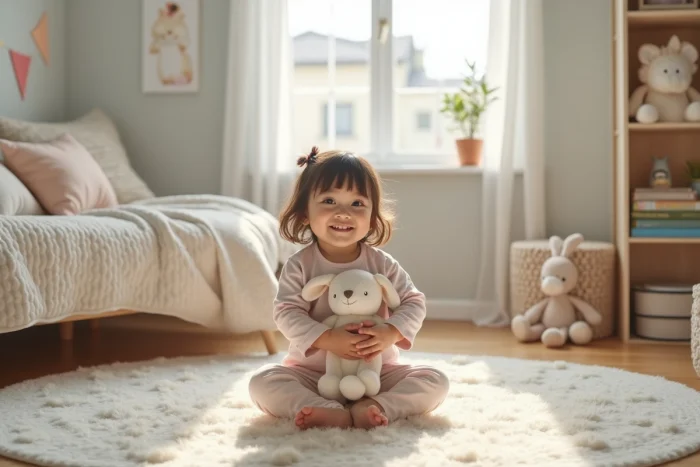
A child can spend more than 60% of their time inside their room during their early years, according to the French Observatory of Parenting. However, the layout and atmosphere of this space do not always meet their needs for calmness or emotional security.
Unexpected choices of colors or materials can disrupt sleep or autonomy. Conversely, certain arrangements promote concentration, relaxation, and a sense of safety. Rethinking the organization, furniture, and decorative details profoundly transforms the child’s daily experience.
Understanding the child’s needs to envision a reassuring space
Creating a child’s room that is gentle goes beyond just stacking cushions or choosing cute wallpaper. From the first months, a child craves landmarks and a sense of stability. They build themselves within emotional security, and the room then becomes their refuge: a space where they know they are safe, free to dream, play, grow, and calm down. Many households draw inspiration from the Montessori method: low furniture, easy to access, encourages autonomy and confidence. Involving the child in the organization, inviting them to choose or tidy up, allows them to take part in the life of the home. This feeling of control over their little universe is reassuring while teaching them order and responsibility. Personalization has a tangible impact: a drawing hung up, a corner decorated together, objects chosen by both hands… These individual touches strengthen the attachment to the room. Every detail, from the arrangement of toys to the choice of bed, weaves a subtle balance between emotional well-being and the desire for independence. To delve deeper into the topic and explore practical tips for designing a child’s room where gentleness and safety come together daily, take a look at https://douceurdenfance.fr/: here, the child’s awakening and curiosity are the true guiding threads of each arrangement.
What tips to create a gentle and calming atmosphere in the room?
To establish a gentle atmosphere, the choice of colors sets the tone. Soft shades: sky blue, gentle green, beige, or old rose, envelop the room in a peaceful sensation. It is better to opt for soft tones, avoiding loud colors that excite more than they reassure. A subtle wallpaper or solid-colored walls structure the space without overwhelming it.
Furniture and natural materials, light wood, cotton, linen, help balance the sensory environment. Soft textiles: thick rugs, welcoming cushions, blackout curtains, absorb sound and create a cozy atmosphere, ideal for falling asleep. Stay vigilant about the temperature: between 18 and 20 °C, the child finds the comfort that promotes restorative sleep.
Lighting makes all the difference. Opt for soft, adjustable lighting: a gentle night light, a table lamp, or a string of lights that creates a reassuring bubble without straining the eyes. To limit external disturbances, sound insulation can be achieved with a wool rug, thick curtains, or even wall panels.
Here are some elements to integrate to enhance the feeling of comfort:
- Add soft accessories: fabric baskets for toys, stuffed animals, knitted throws, all details that create a cocoon.
- In the evening, prefer pajamas made from natural fibers and establish a soothing little ritual: a story, a melody, a soft background noise signaling that night is beginning.
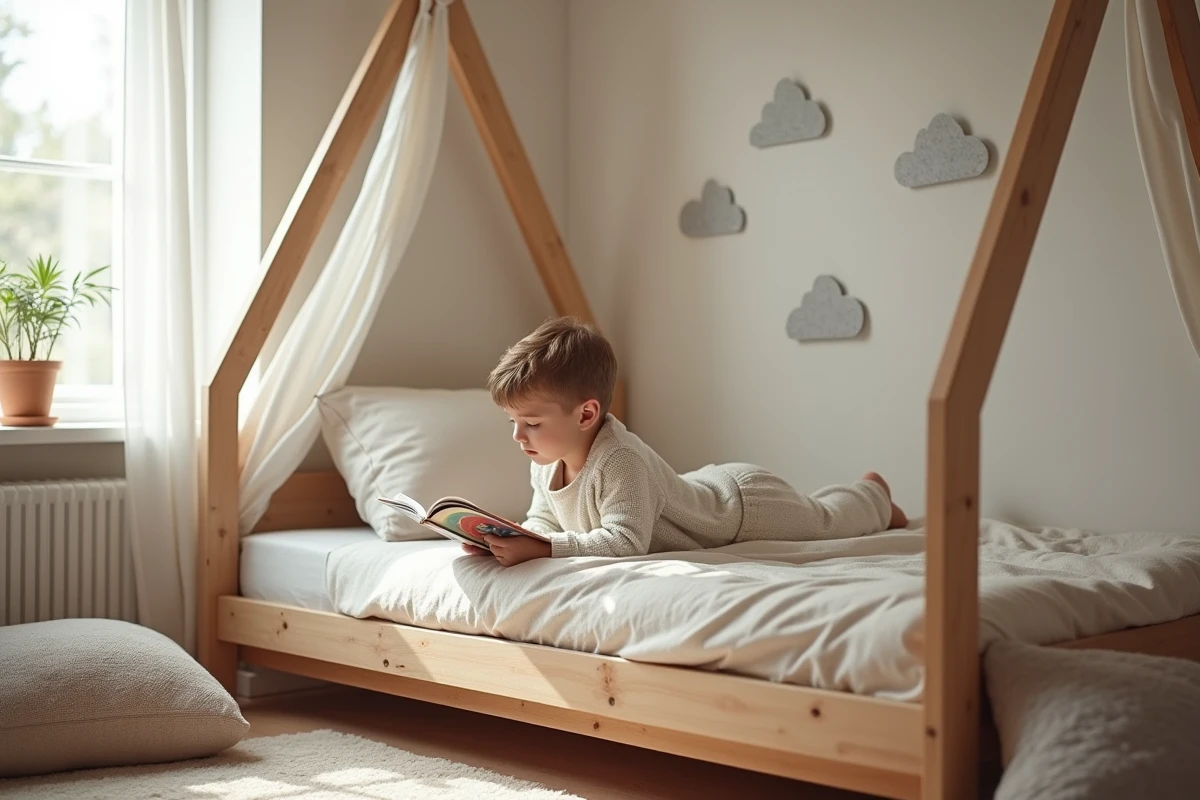
Decoration and layout ideas to promote well-being daily
The child’s room finds its balance when each area has its purpose. Clearly distinguish the play corner, the reading corner, and the sleep corner: this simple organization supports autonomy and reassures, as everything is in its place. An evolving bed accompanies the various stages of growth; a loft bed frees up space on the floor for a library, rug, or relaxation mattress.
To encourage the child to take ownership of their room, focus on accessible storage: child-height shelves, an open toy chest, soft baskets. A playhouse or a tent set up in a corner offers a refuge, a secret hideaway conducive to imagination and relaxation. A small desk with soft lighting becomes the playground for early drawings and creative activities.
The decoration gains authenticity through personalization: display their creations, hang up garlands made together, let them choose some stickers to stick on the walls. This involvement strengthens the sense of belonging and stimulates creative momentum. A rocking chair or a large soft cushion invites calm moments, perfect for reading or escaping before falling asleep.
Consider these points to refine the comfort and serenity of the room:
- Filter daylight with light curtains; secure electrical outlets; choose a mattress suitable for peaceful nights.
- The small evening rituals, a reading, a song, a few quiet minutes in the cozy corner, mark the transition to sleep and establish a reassuring routine.
When the room becomes this tailor-made refuge, the child flourishes, grows, and appropriates the world in their own way. Now, it remains to imagine the story they will write, within their four calming walls, night after night.