A symptom can persist without corresponding to a specific disease, while a confirmed pathology can evolve without apparent signs. Some chronic conditions remain silent for a long time, thus escaping early detection.
The rapid identification of disorders relies on careful observation of sometimes discreet signals. Adapting preventive measures and daily management requires updated and accessible information.
Recognizing Symptoms: How to Differentiate the Main Diseases
Each infectious disease has its peculiarities, but understanding their symptoms and modes of transmission remains the primary tool for acting quickly. Each pathogen—virus, bacteria, fungus, parasite—has its signature. Influenza and pneumonia: soaring fever, dry or productive cough, muscle pain, respiratory discomfort. Gastroenteritis, on the other hand, disrupts daily life: sudden diarrhea, vomiting, cramps, marked risk of dehydration, especially in vulnerable individuals. What complicates matters is the similarity of many signals: persistent fatigue, headaches, fever, diffuse pain. However, certain associations guide the diagnosis. A child covered in red spots? Chickenpox or measles immediately come to mind. Burning during urination, cloudy urine? One thinks of a urinary infection, such as cystitis or pyelonephritis. STIs like chlamydia or syphilis, on the other hand, leave other traces: ulcers, itching, swollen lymph nodes.
To clarify things, here are some elements to watch closely:
- Modes of transmission: direct contact, respiratory droplets, sexual route, contaminated food.
- At-risk groups: children, the elderly, immunocompromised individuals.
In the face of the diversity of causes and presentations, remaining attentive to persistent or atypical symptoms makes a difference. To go further in analyzing symptoms and diagnosis, the site vivamedical.fr to consult offers detailed sheets: warning signs, complications, steps to follow with caregivers.
From Diagnosis to Treatment: What You Need to Know to Act Calmly
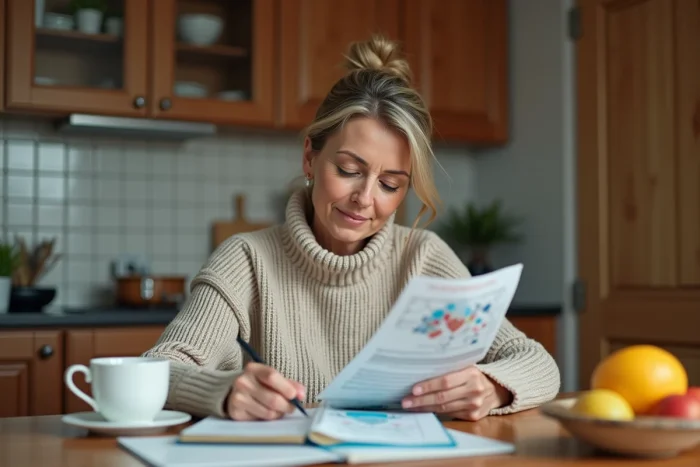
Making a reliable diagnosis is the result of a structured approach: attentive listening to the patient, thorough investigation of medical history, clinical observation, and if necessary, biological analyses or imaging to refine understanding of the problem. The next steps depend on the detected pathology: treatment is adjusted based on the diagnosis made.
Antibiotics, irreplaceable against bacteria, owe their effectiveness only to their thoughtful use. In the case of a viral infection, other strategies come into play: specific antivirals in certain cases, or supportive treatments, analgesics, antipyretics, rest, hydration, to allow the body to fight. Misuse of antibiotics opens the door to antibiotic resistance: shortened treatments, random dosages, unjustified prescriptions, and thus infections become stubborn, sometimes without a solution.
Healthcare professionals, general practitioners, infectious disease specialists, pharmacists, orchestrate this journey: they evaluate, prescribe, explain, and monitor. Their vigilance is all the more valuable for children, the elderly, and the immunocompromised, for whom even the slightest complication can lead to an emergency. Signs to watch for: symptoms that persist, persistent fever, deteriorating general condition.
Support does not stop at the medical level: patient associations play a key role by disseminating information, advice, and mutual aid. The impact of a disease goes well beyond the physical: anxiety, isolation, and stress are added to the list. To stay on course, it is essential to follow prescriptions, communicate with caregivers, and stay informed about risks and available solutions.
Prevention and Practical Tips to Preserve Health on a Daily Basis
Daily fighting against infectious diseases means multiplying protective gestures. Vaccination, first and foremost: it remains the best defense, protecting both the individual and the community against influenza, measles, hepatitis B, and whooping cough. Keeping your vaccination schedule up to date limits the circulation of microorganisms and strengthens collective immunity.
Here are the main reflexes to integrate into your routine:
- Thorough hand washing with soap, especially after any risky contact or returning home.
- Regular ventilation of closed rooms to disperse respiratory viruses.
- Use of condoms during intercourse to reduce the transmission of sexually transmitted infections.
- Disinfection of surfaces, strict food preservation to curb bacterial proliferation.
- Adapting daily life for the most vulnerable: the elderly, children, immunocompromised individuals.
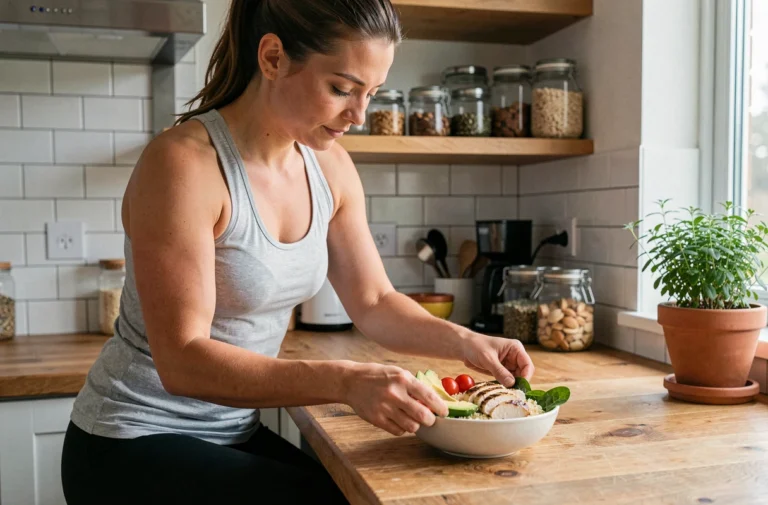
An balanced lifestyle is a significant ally: varied meals rich in fruits, vegetables, and proteins, good hydration, regular physical activity, even moderate, to boost the body’s resistance. Managing stress and allowing for rest also strengthens defenses. Screening tests, particularly for STIs, and regular consultations allow for early action. At the slightest symptom, isolate yourself to protect those around you. Learning to take care of your health from a young age sows the seeds of prevention for life.
Over the seasons, protective habits become reflexes. Health is built daily, through small gestures and shared vigilance. Tomorrow, every decision made today will weigh on collective vitality.